2025
The Academic Spark
What began as an academic exploration evolved into a deeper inquiry into neurodevelopmental needs. Early concepts were tested through research-driven design, laying the foundation for EMPALS.
Our Mission
EMPALS — Empathic Pacing and Learning System for Neurodivergent Minds.
Every neurodivergent kid we met had been handed adult productivity tools or rigid school worksheets that didn't fit how their mind actually works. EMPALS started from a simple belief: kids deserve focus tools built for them — warm, playful, and quietly effective — so they can grow with confidence instead of frustration.
The evolution of focus
2025
What began as an academic exploration evolved into a deeper inquiry into neurodevelopmental needs. Early concepts were tested through research-driven design, laying the foundation for EMPALS.
2025
Extensive user research with neurodivergent individuals revealed critical gaps in emotional support, engagement, and accessible productivity tools—shaping the core vision of EMPALS.
2025
The idea transitioned from academia to application. Iterative prototyping, user testing, and feedback loops transformed EMPALS into a scalable, user-centered solution.
2026 — Today
EMPALS emerged as a full-fledged venture—bridging design, technology, and empathy to support neurodiverse communities at scale.
Meet the five entrepreneurs behind the movement.
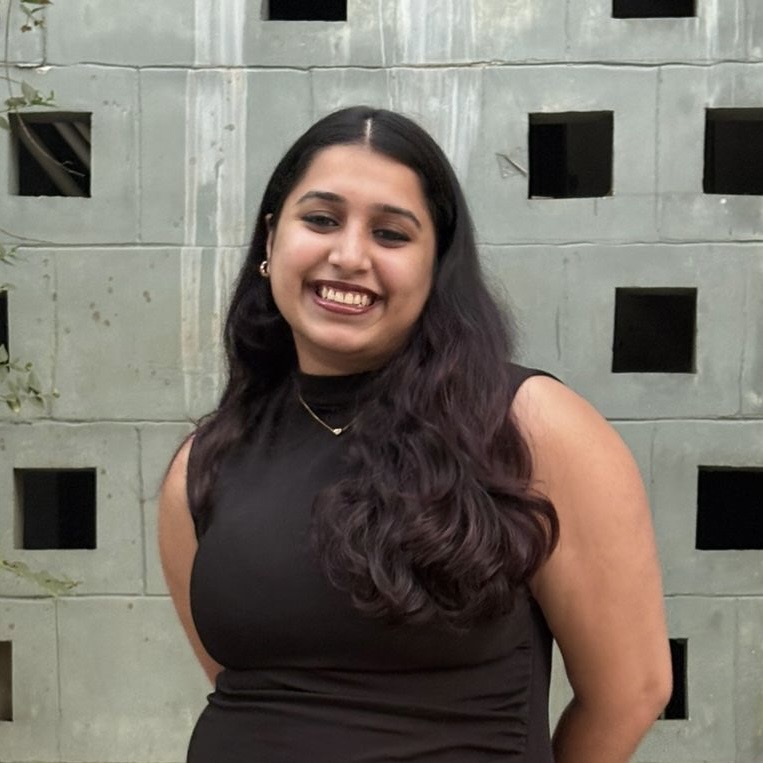
Product Designer | Interaction Designer
Obsessed with turning cognitive chaos into visual rhythm.
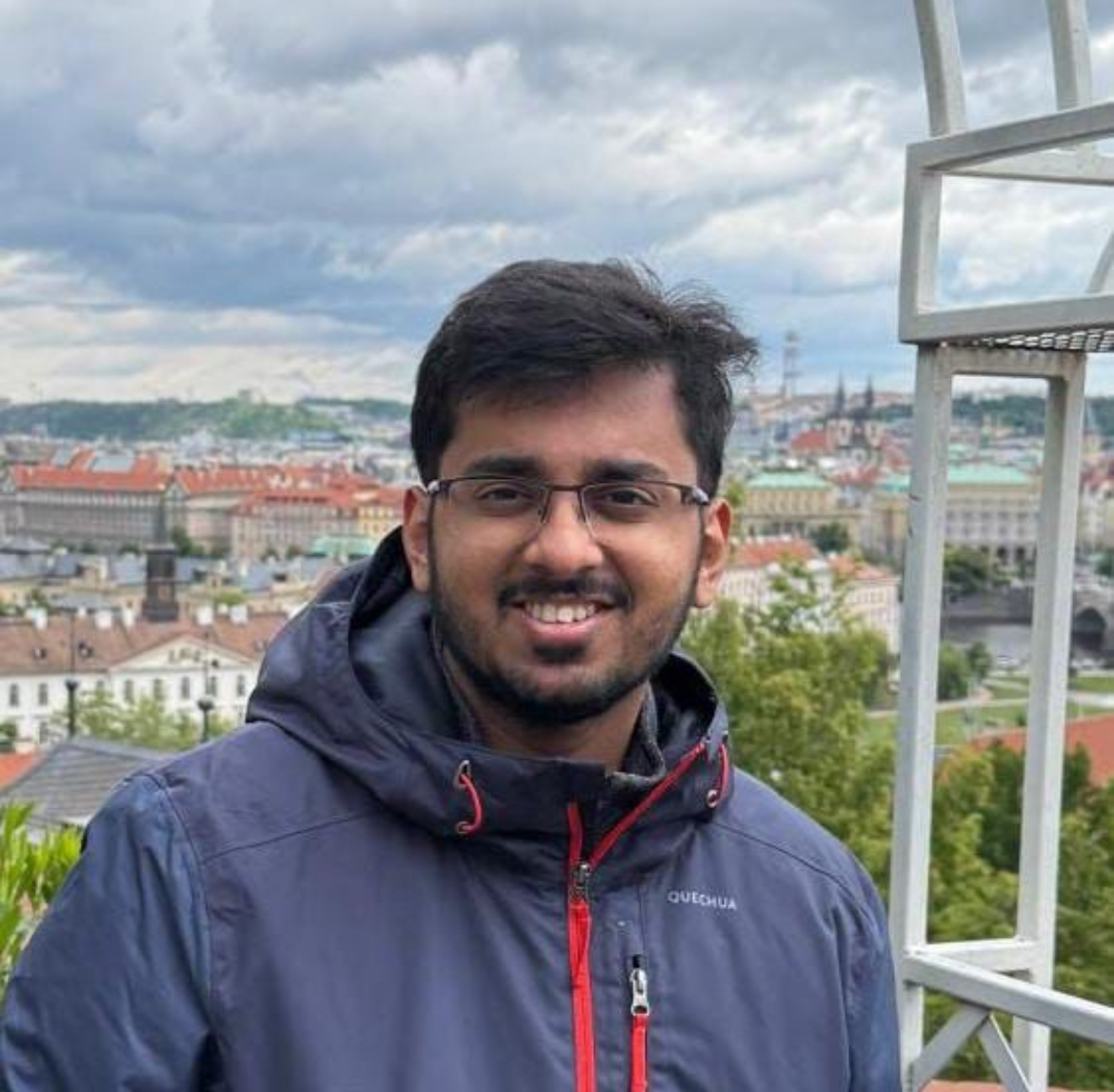
Design Lead
Crafting the 'breathable UI' that calms the racing mind.
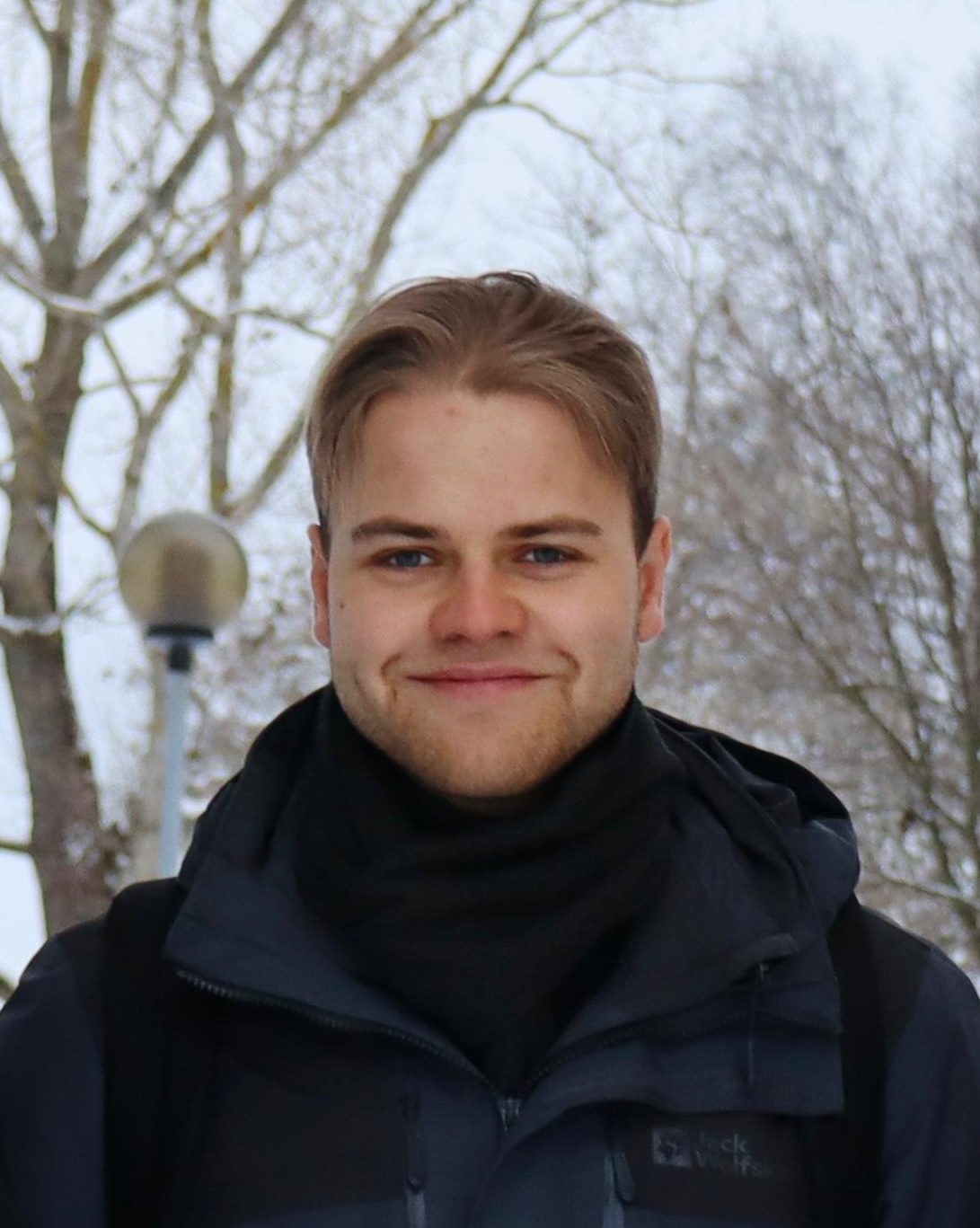
Product | UI
I ask annoying questions about what we're really building.
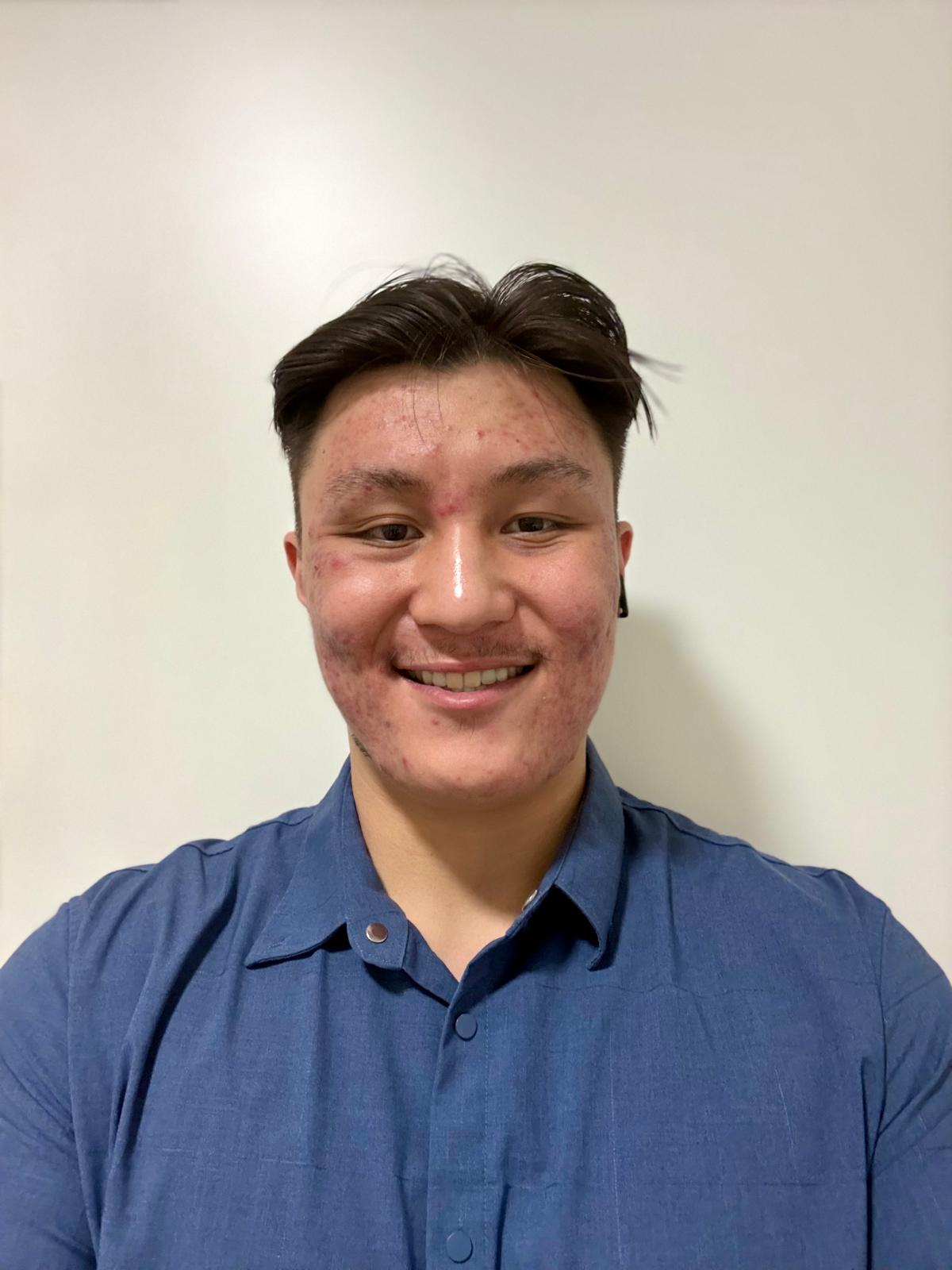
Developer
Bridging the gap between software and real-world social change.
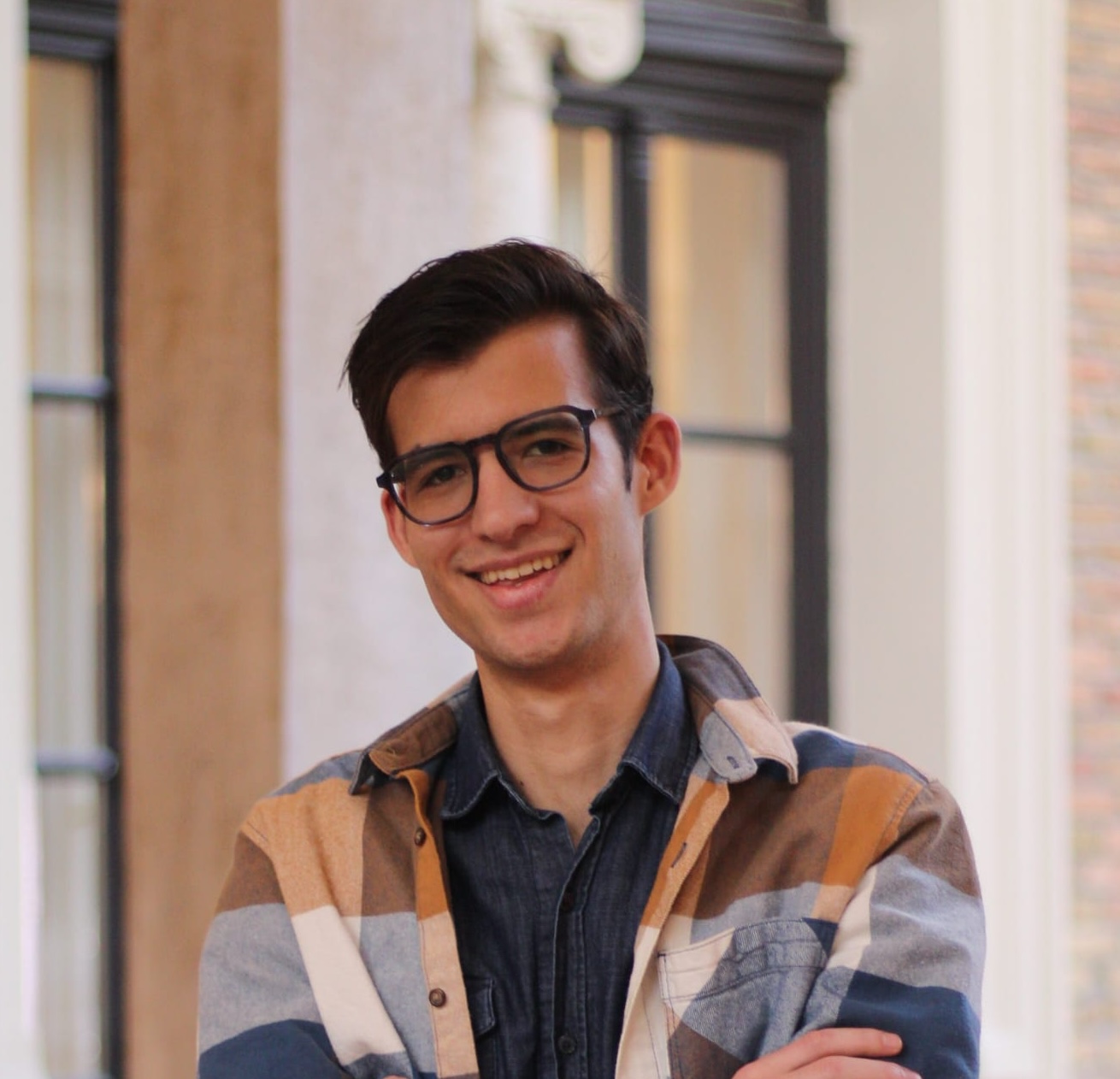
Community
Ensuring every user feels like a co-creator of the platform.
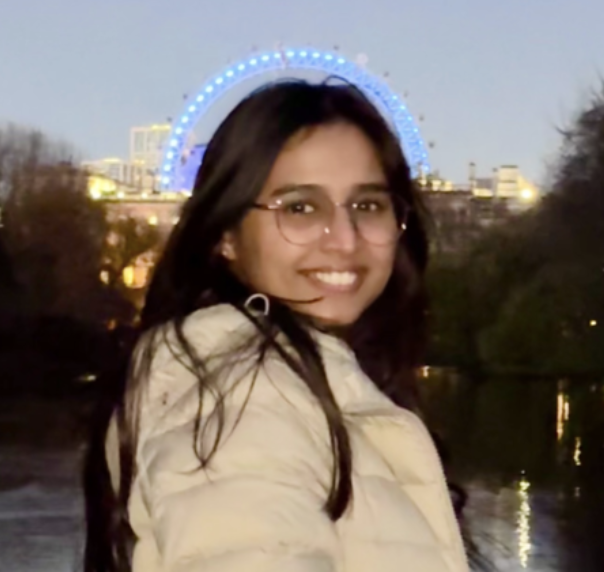
Research Collaborator
SEN Teaching Assistant
We collaborated with Riya Singh, working with children with special needs, whose insights played a crucial role in shaping EMPALS.
Through her experience working with children with ADHD, she helped us understand nuanced behavioral patterns such as attention span variations, response to stimuli, and engagement triggers. These insights directly informed how we structured our game-based activities, ensuring they are not only engaging but also developmentally meaningful.
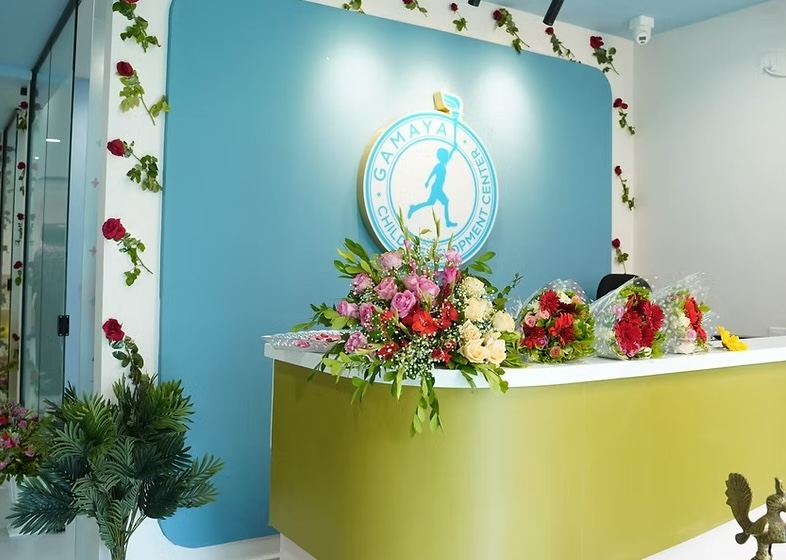
Field Partner
Vijayawada, India
Time spent at Gamaya Child Developmental Center sharpened our understanding of how neurodivergent kids actually learn — and where existing tools quietly fail them.
What we observed
We don't just build features; we build solutions for the lived experience of neurodiversity.
Gentle boundaries that support freedom, rather than rigid boxes that stifle creativity.
Questioning every standard productivity trope to find a more humane path forward.
Social Impact
Most "productivity" tools weren't built with neurodivergent kids in mind. EMPALS is — and that shapes who we choose to build with, who we listen to first, and which UN Sustainable Development Goals our work sits closest to.
SDG 3: Good Health & Well-being
Supporting kids' mental wellness with calm, evidence-informed tools — not gamified pressure.
SDG 4: Quality Education
Helping neurodivergent kids stay engaged with learning instead of being shaped to fit a one-size-fits-all classroom.
SDG 10: Reduced Inequalities
Building for kids who are too often handed tools designed for someone else — so support reaches them, not just those who can already cope.